Gary Willis
Gary Willis 1970–2025 – “Like a masked traveller drifting through time”
The monograph published by Words For Art on the Australian post-Conceptual painter.
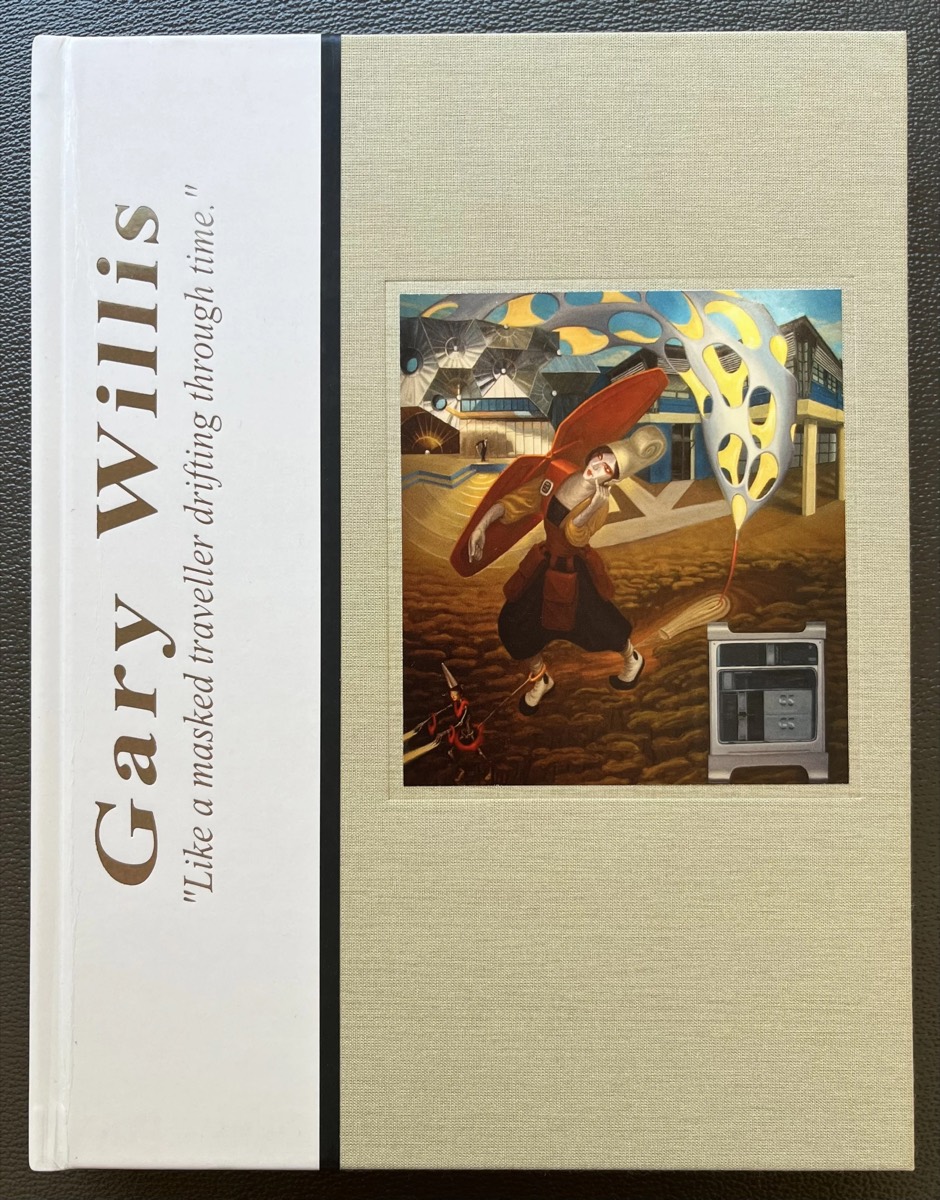
Post-Conceptual painter55+ years · circa 1970–2025
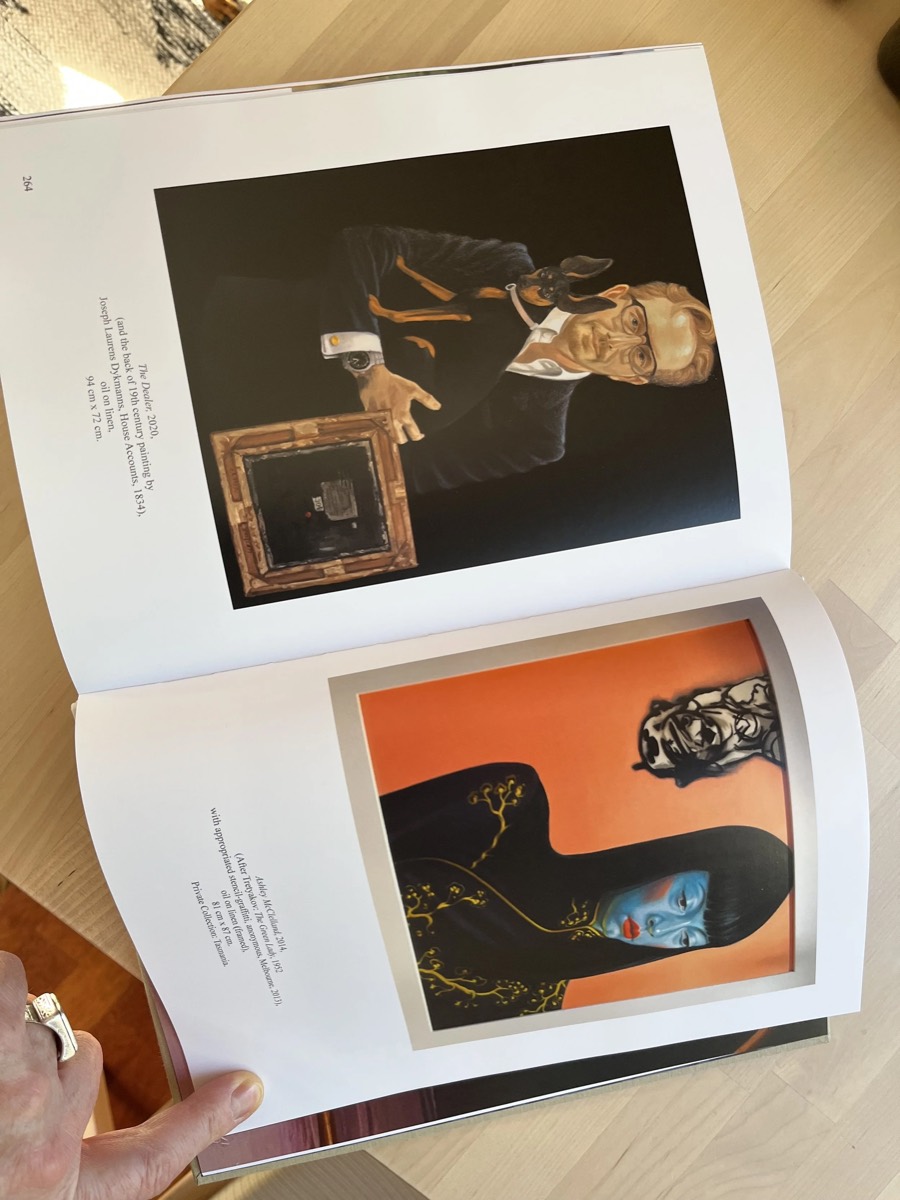
Handsomely illustrated, this 300-page, case-bound monograph surveys 55+ years of works by post-Conceptual painter Gary Willis, circa 1970-2025.
As a fledgling artist in late 1960s Australia, Gary Willis was amongst a vanguard of post-object artists. His interests spanned conceptual art, performance, video, installation and postmodernism. Over the ensuing five decades, Willis eschewed a singular mode of practice, opting instead for a succession of conceptual moves to produce contrasting bodies of artworks. Studying the early performance works staged by Willis, one could scarcely connect them with the artist’s later bodies of paintings, at times harking back to 18th century modes of production.
Surviving his notorious ‘Leopard’ performances (with Richard Boulez) for the Adelaide Festival and ACT #2 ACT Performance Festival, wherein Willis sustained a knife wound to the hand, he goes on to exhibit with such noteworthy galleries as Reconnaissance, Roslyn Oxley9, and the Tin Sheds, University of Sydney.
While many of his peers sought to critique all that had come before, Willis emerges as one who, having initially rejected conventional art practice, has ultimately effected a return to visual language as the foundation for his artistic expression. His later involvement with the painter Arthur Boyd proved decisive.
Willis has operated as both an insider and an outsider within Australia’s artistic scene – curated into significant exhibitions such as Australian Perspecta at the Art Gallery of New South Wales, and collected by many of his artistic associates. He has proven nothing if not perplexing, due in no small part to a restless creativity, refusing to settle on any one style or mode of creation.
As a case study, Willis covers an extraordinary array of scenes, modalities and localities, including life as a Zen monk in Japan, a New York punk, cruising clubs such as the Mudd, CBGB’s and Max’s Kansas City, amongst many other sites of consciousness, many of which are self apparent in his work.
While artist monographs tend to reflect consistent practices, developed through early, mid, late stages, Gary Willis has eschewed predictability in favour of diverse meanderings through a wide range of media - Performance - Video - Painting - Drawing - Etching - Art theory. For an artist whose career commenced in the late 1960s, Willis is revealed as a seminal figure in Australian art, charting new ground before moving to fresh creative territory.
The artist
- Born
- 1949, New South Wales
- Educated
- Canberra School of Art · Preston Institute of Technology · University of Melbourne
- Collections
- National Gallery of Victoria · National Gallery of Australia · Art Gallery of South Australia · Art Gallery of Western Australia
Selected writings
- Diary of a Dead Beat Modern Art Type
- The Key Issues Concerning Contemporary Art University of Melbourne Thesis Series, 2010 · PhD thesis
- The Painter’s Tongue: The Life of an Artist, The 1980s Ten volumes, boxed, limited edition
The object
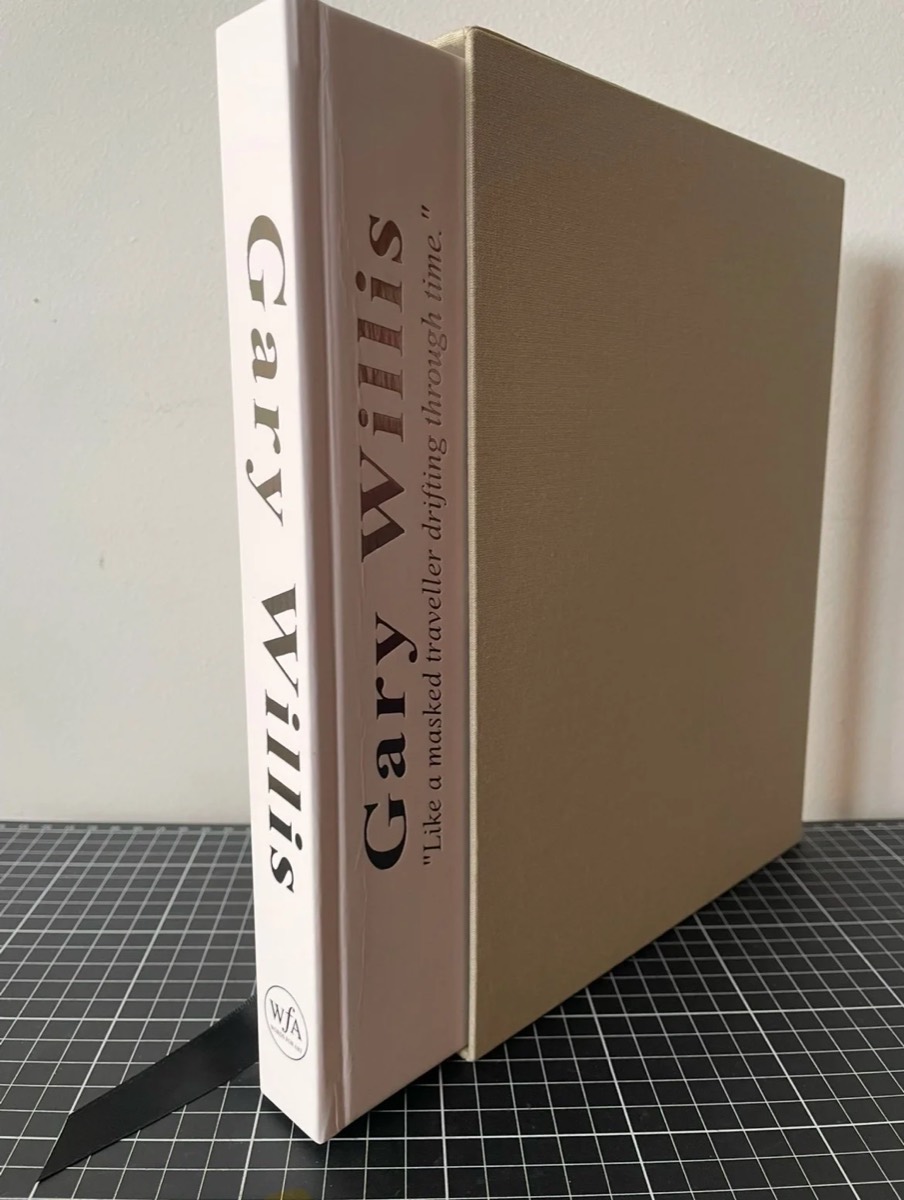
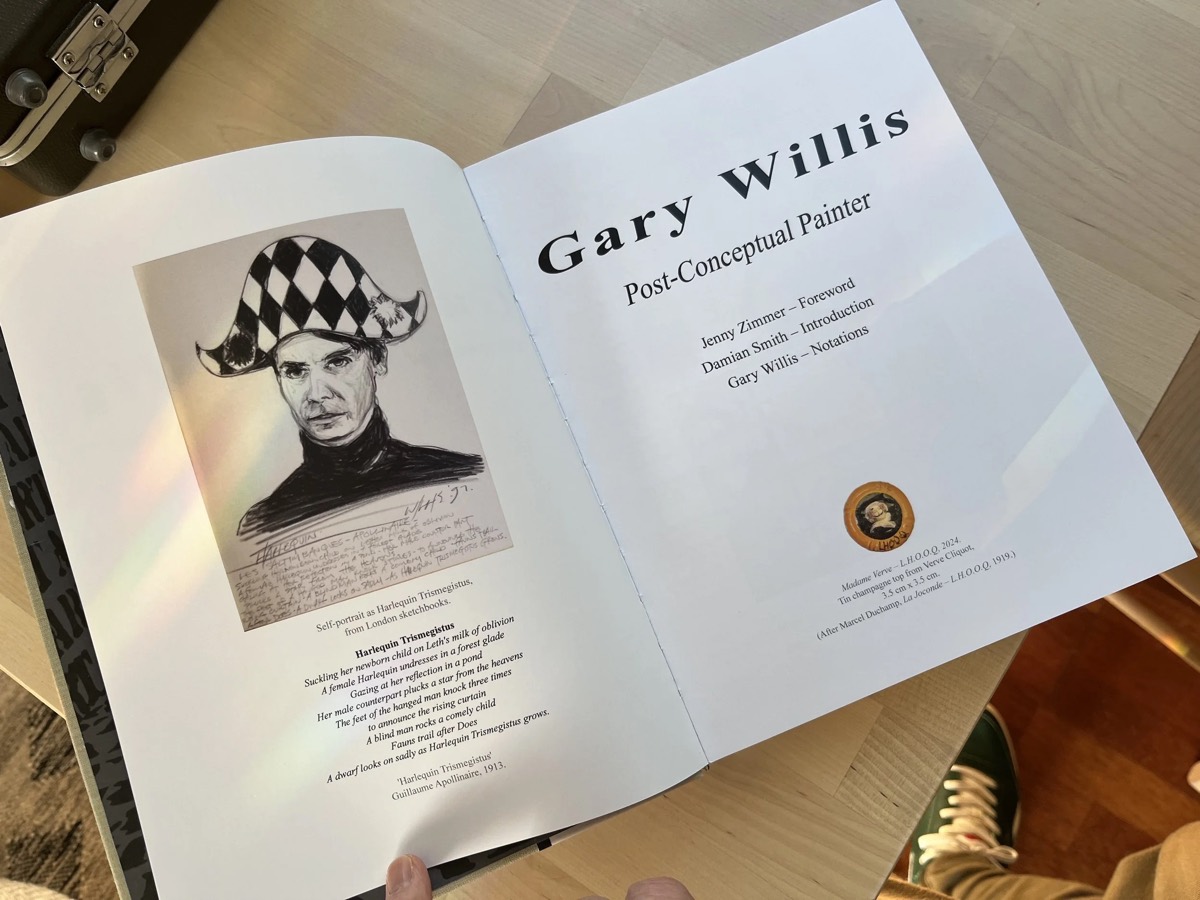
The monograph 300 pages, case-bound
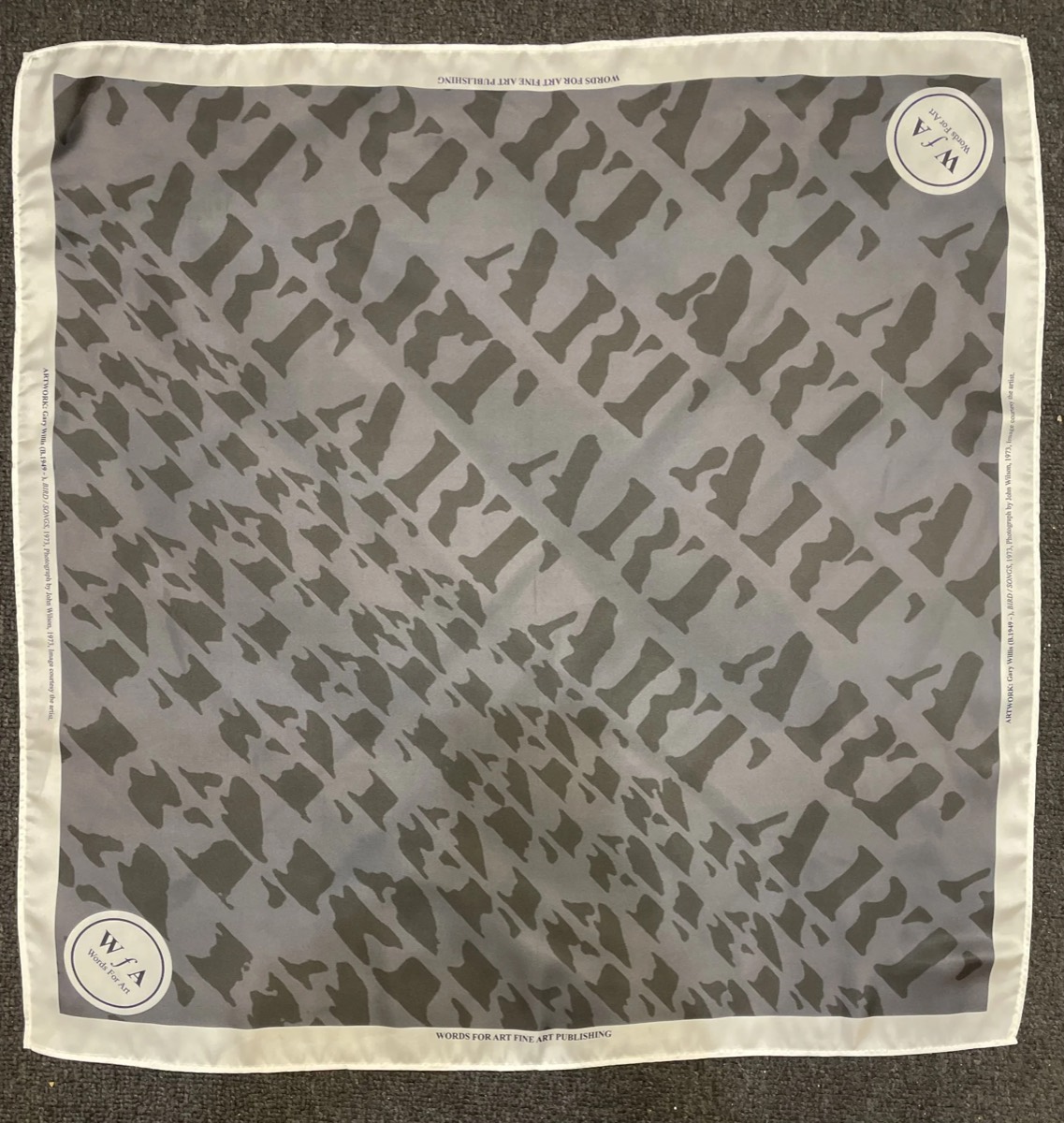
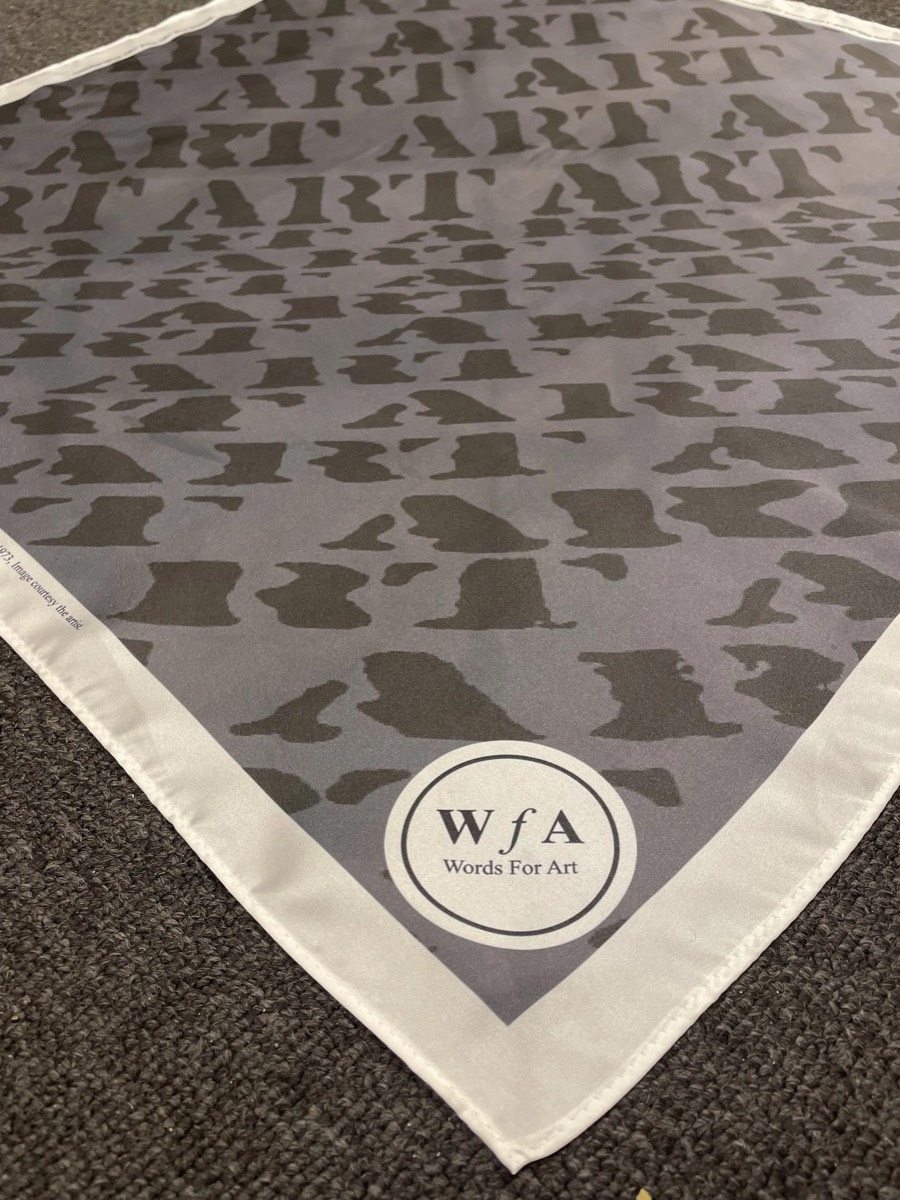
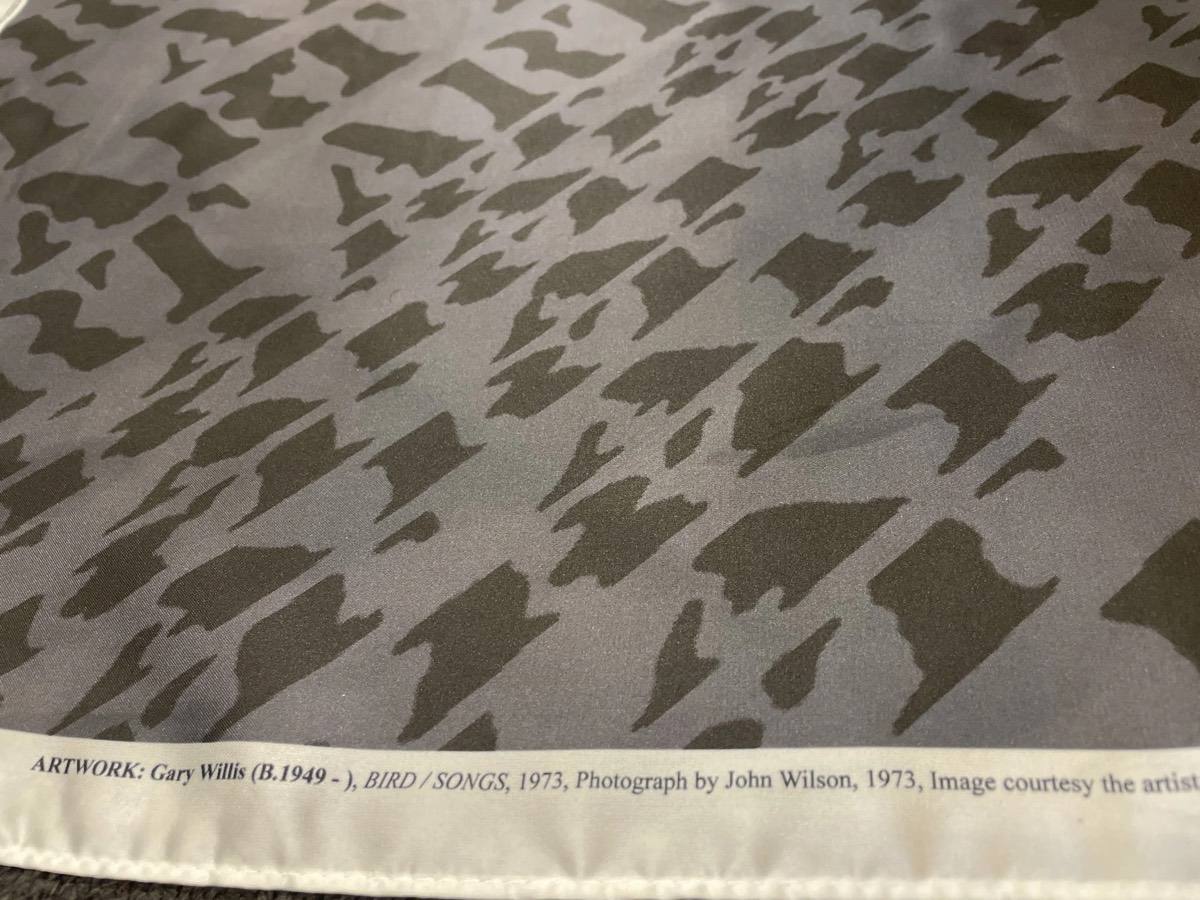
BIRD/SONGS scarf, 1973 $45 + postage
Testimonials
“Gazzz! Your tome, Gary Willis 1970-2025 a tour de force! I’ve really enjoyed getting back on board the ‘G’ Train again - this time for the full trip ….What a life, such verve…..the life of a true artist! You put your life on the line, it gets smashed up and you come straight back up and at it again with fresh insights - your wit still intact - ready for the next episode. Well done Gazzz, it’s a fitting testimony to living the life of your own choice - the life of the artist - a claim very few can make these days.”
“Willis has always been something of a tearaway, growing up around south east Australia in the radical Sixties and Seventies, prepared to lose blood on stage in the name of art.”
“Gary, your excellent monograph arrived today. What an insight into your work over the decades. It should be in every art school library.”